Explore History Through Interactive Timelines
Deep dive into the rich narratives of civilizations, empires, and historical periods. Discover key events, influential figures, and turning points that shaped our world.
Browse All TimelinesFeatured Timelines
Explore our curated collection of historical timelines spanning different regions and eras.
Lycurgus Reforms
A lawgiver walks into Delphi and the god almost calls him a god. With that sanction, Sparta claimed the right to refound itself. Between roughly 700 and 600 BCE, traditions credit Lycurgus with a constitutional settlement—the Great Rhetra—that fused kings, a 30-member council, and an assembly meeting under open sky. The system worked by probouleusis: elders shaped measures, citizens ratified by acclamation. When the crowd swelled off course, a 7th‑century ‘rider’ let kings and elders shut the meeting down. Around these political bones, syssitia and tight military units trained citizens to live and fight together. The order endured: admired by Xenophon for discipline, attacked by Aristotle for corruption, and anchored by Herodotus before c. 590 BCE. It made Sparta Sparta—cohesive, martial, and constrained by law made sacred .
Messenian Wars
The Messenian Wars begin as a land grab and end as a lesson in power’s cost. Between roughly 743 and 600 BCE, Sparta seized the olive-green plains of Messenia, divided the land, and bound its people to the soil as helots—creating the agrarian muscle behind its hoplite machine . Messenians answered with a second revolt centered on Mt. Eira, remembered in legend and song by the Spartan poet Tyrtaeus . A century later, a different mountain—Mt. Ithome—flared after a 464 BCE earthquake, when helots and Messenians rose again and Athens’ aid under Cimon was sent home in suspicion . The numbers tell the paradox: at Plataea 5,000 Spartans marched with 35,000 helots (seven per man) . Power depended on the unfree. Fear governed the free.
Spartan Military System
Across five centuries, Sparta tried something radical: turn civic life into a barracks. Boys entered a public training pipeline under a Paidonomos at about age seven, messes rationed bread and black broth by the bushel and gallon, and citizens lived as sworn bands whose discipline, not technology, produced victories . Helot labor—at times outnumbering citizens roughly seven to one—paid for the system and haunted it; fear of revolt shaped campaigns even as Spartans drilled countermarches and wheels that few Greeks could match . The model produced Leonidas’s last stand in 480 BCE and hegemony in 404, but also a shrinking citizen body and a shattering defeat at Leuctra in 371, ending in subordination to the Achaean League by 192 BCE .
Spartan Women
In a Greek world that kept daughters indoors, Sparta taught girls to run under the sun. Ancient observers claimed this wasn’t indulgence but policy: girls trained “no less than” boys to produce stronger citizens , and children, said Plutarch, belonged to the commonwealth . That ideology put women near power without seats at the table. Gorgo, queen and keen political actor, twice shaped crises—in 499 BCE she warned King Cleomenes off a bribe ; in 480 she told officials to scrape wax from a tablet to reveal Demaratus’s warning of Xerxes’ invasion . Wealth amplified that visibility. By the 4th century, Aristotle complained women held nearly two-fifths of Spartan land . In the arena, Cynisca won Olympic chariot crowns in 396 and 392 BCE, and bronze statues at Olympia gleamed with her name . The result: women wielded property and presence—without office.
Spartan Kings
Sparta kept two kings and one law. For centuries, Agiad and Eurypontid rulers swore to lead armies and perform sacred rites under the watch of ephors and the Gerousia, a “generalship for life” bounded by statute , . In battle, figures like Leonidas I and Agesilaus II turned that legal crown into iron reality; at home, funerals, oaths, and hero cults anchored royal power in ritual , , , . But the machinery strained. Archidamus II warned—then marched—against Athens , . Later, citizen numbers sank to roughly 700 and land pooled into few hands; reforming kings from Agis IV to Cleomenes III tried to reset Sparta by canceling debts and redistributing estates , , , , . Their bids sparked Macedonian intervention. Finally Nabis—part reformer, part tyrant—met Rome. The result in 192 BCE: assassination, occupation, and the end of independent monarchy , , .
Peloponnesian League
A century before the Peloponnesian War, Sparta learned the price of isolation in the mud of Tegea—and answered with an innovation: a web of one-to-one treaties that made it first among Peloponnesian equals , , . That loose symmachy could assemble formidable armies but never became a state. In 432 BCE, a single Spartan vote—Sthenelaidas urging war, Archidamus urging caution—pulled this alliance into a generation-long fight with Athens and onto the Persian payroll to win at sea , , . Victory in 404 brought hegemony, garrisons, and resistance; Persian diplomacy then crowned Sparta as enforcer of a 'Common Peace' that it policed with iron , , . The system cracked under its own weight. Theban skill on a dusty Boeotian field in 371, and the refounding of Messene in 369, stripped Sparta of its base and scattered its partners , . By 366, the League no longer worked as a single instrument , .
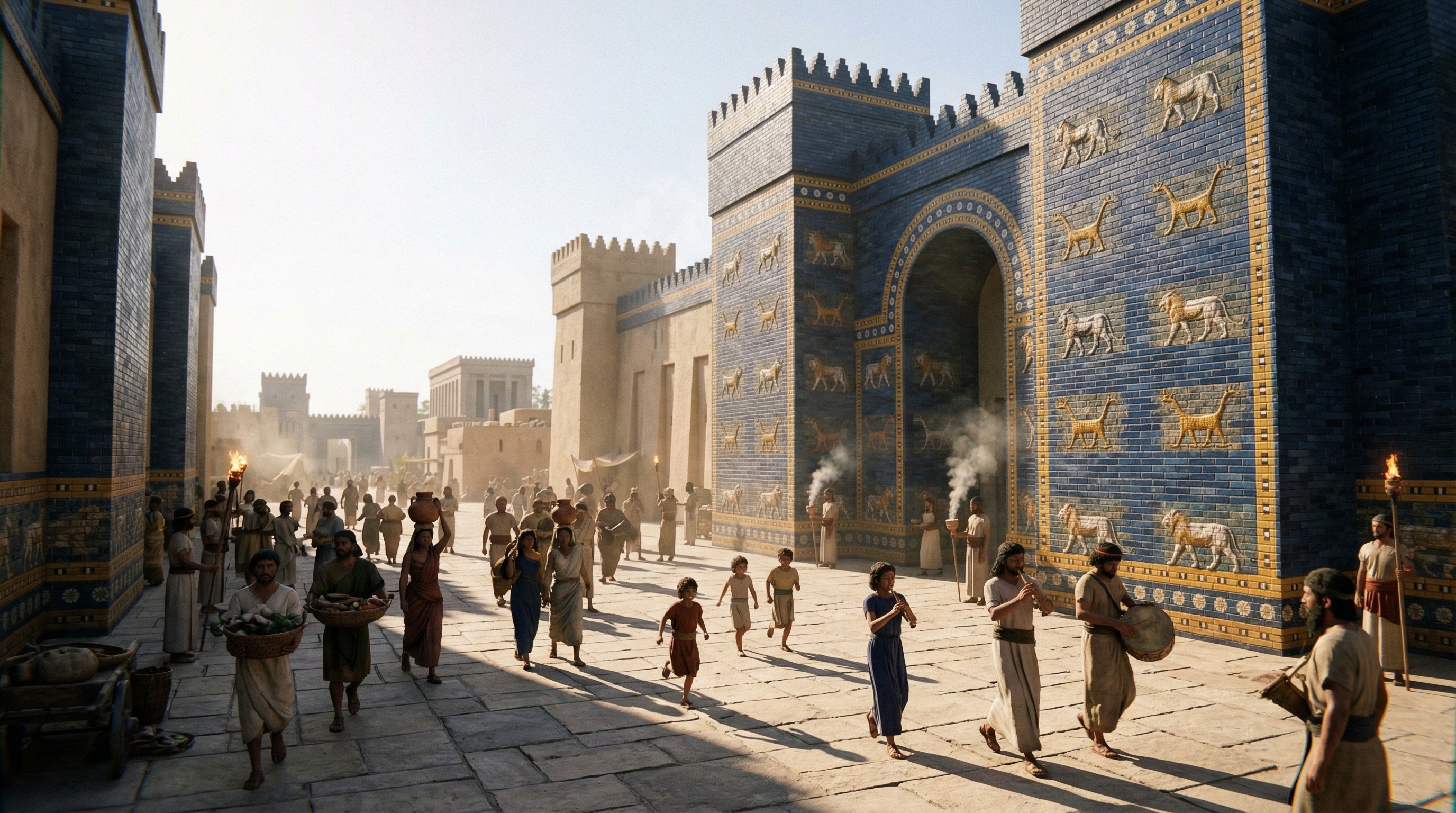
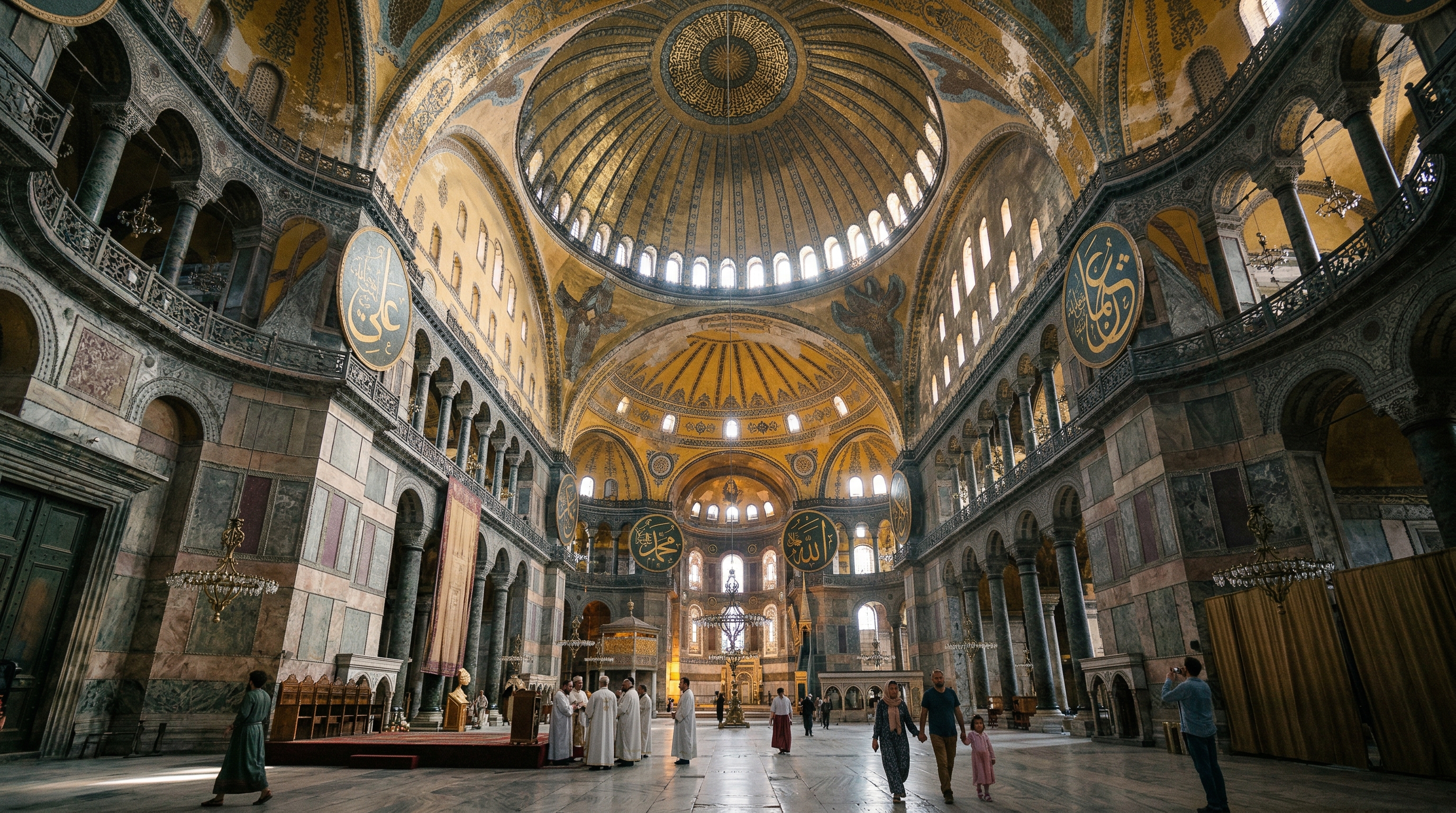
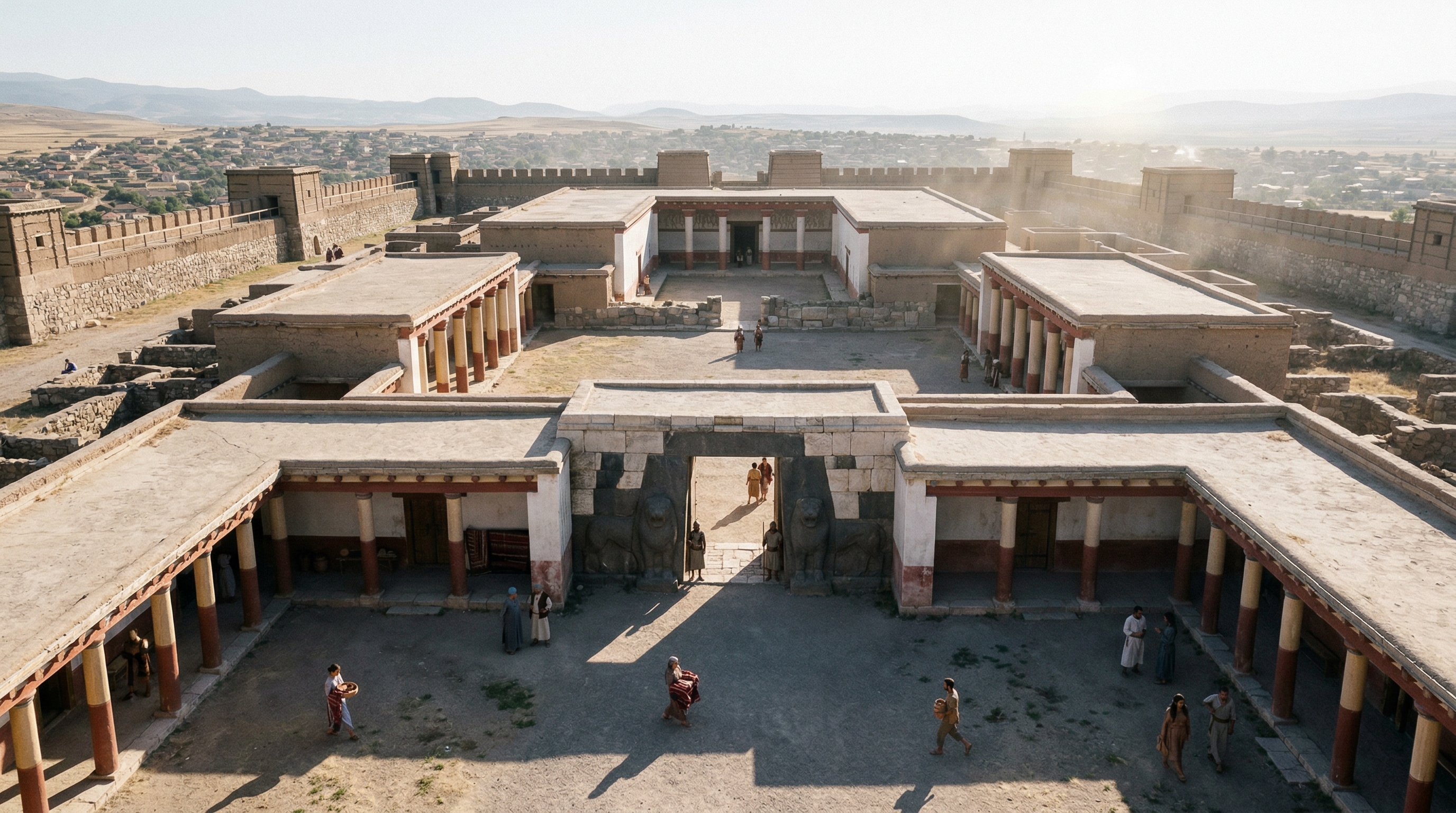
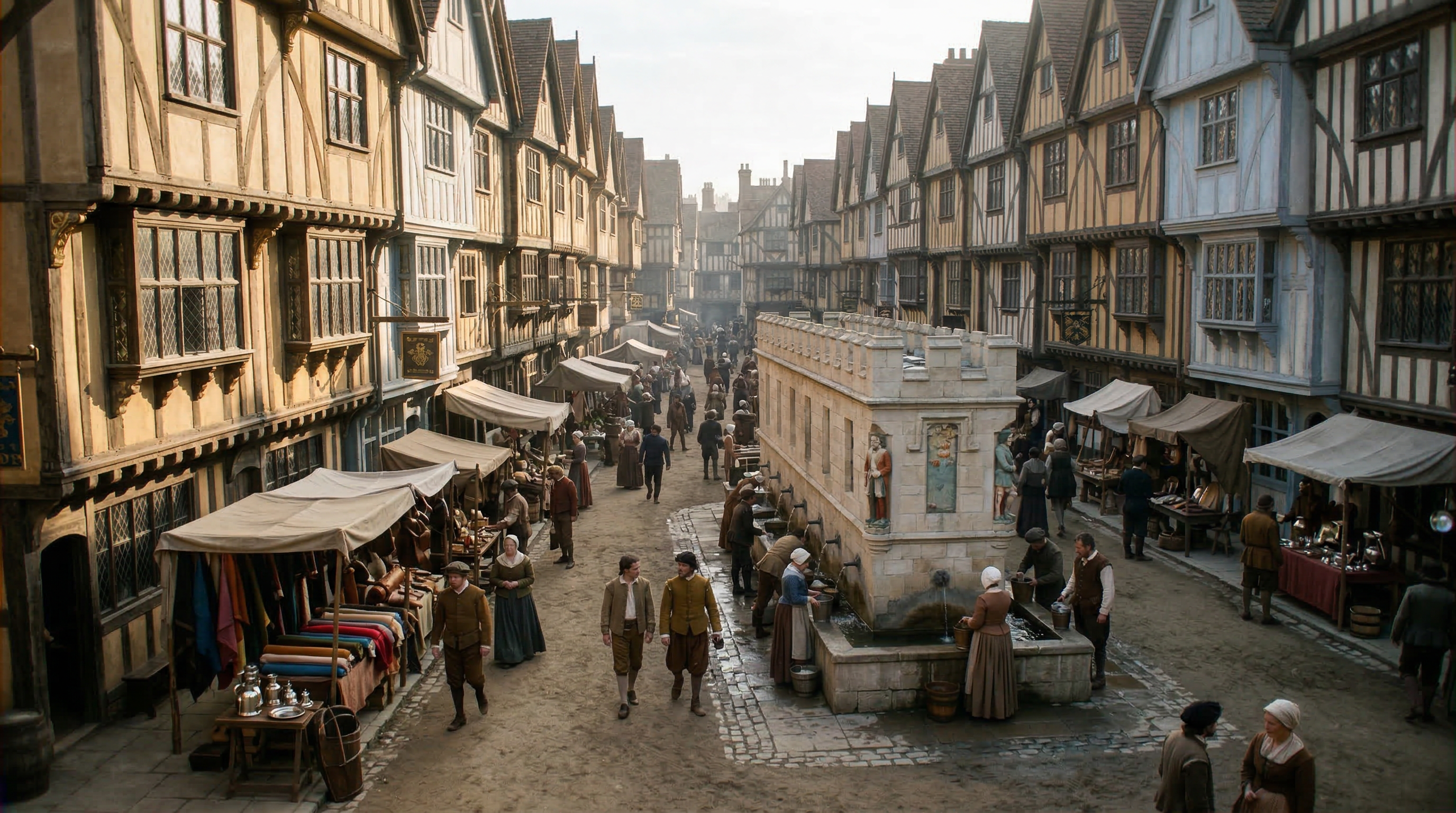
What Did These Places Actually Look Like?
AI-powered reconstructions of famous historical places across eras.


How It Works
Choose a Timeline
Browse our collection of historical timelines covering diverse periods and regions.
Explore Events
Navigate through interactive timelines and discover key turning points.
Ask Questions
Use our AI-powered Q&A to dive deeper and get answers to your historical questions.